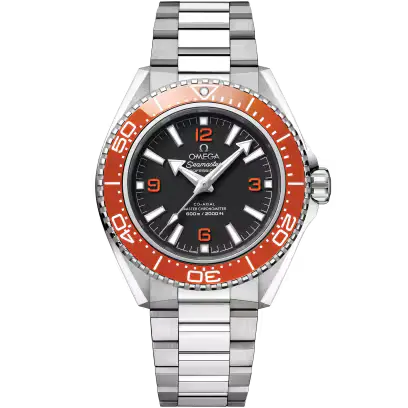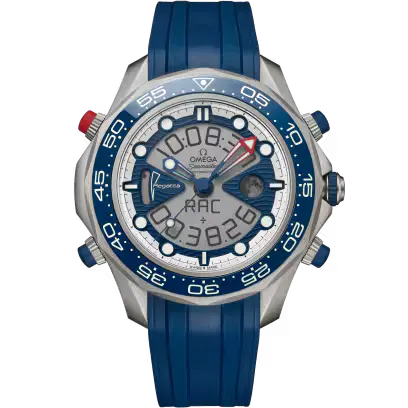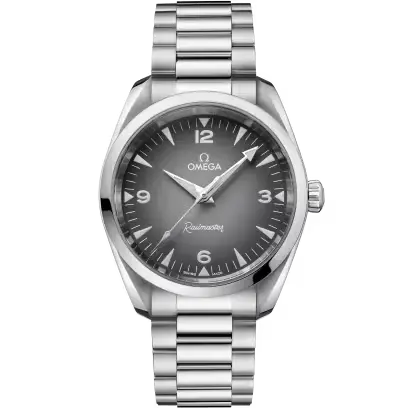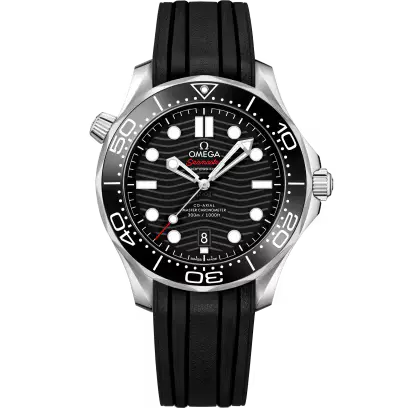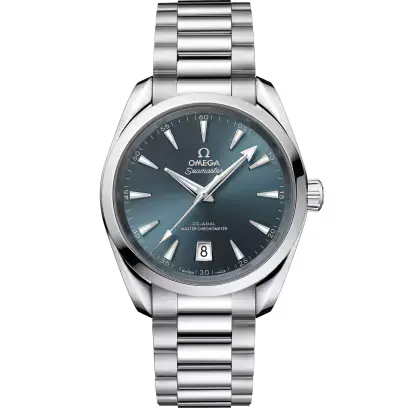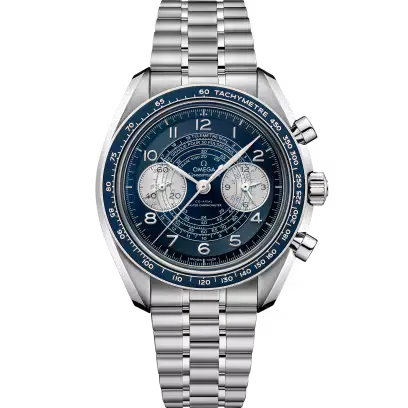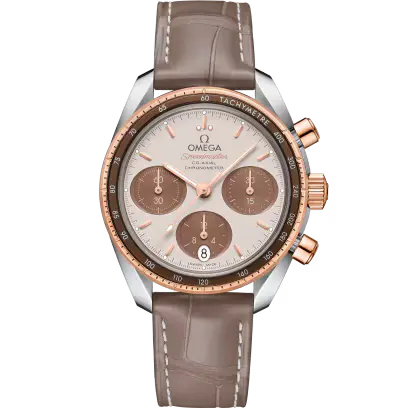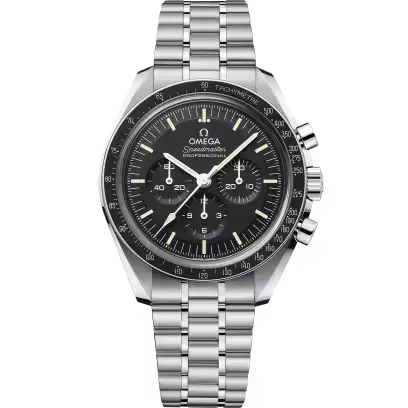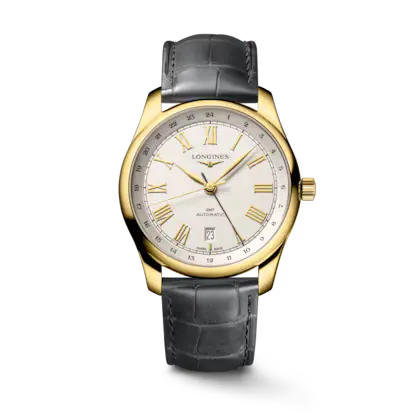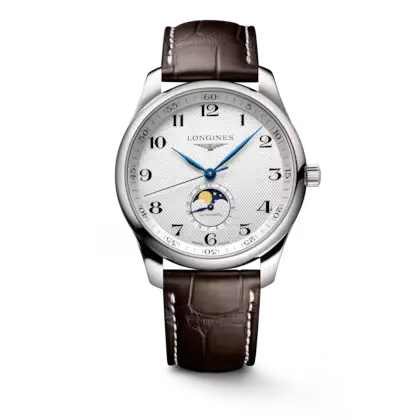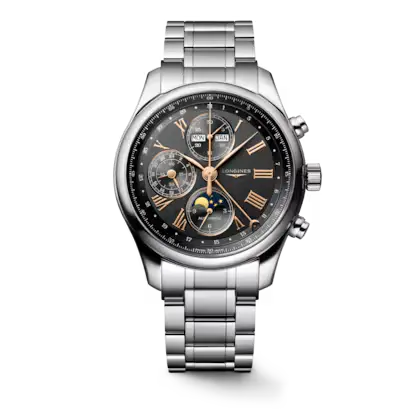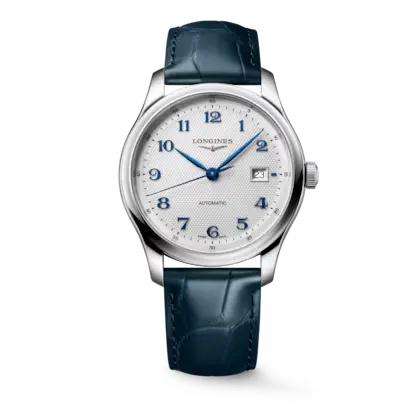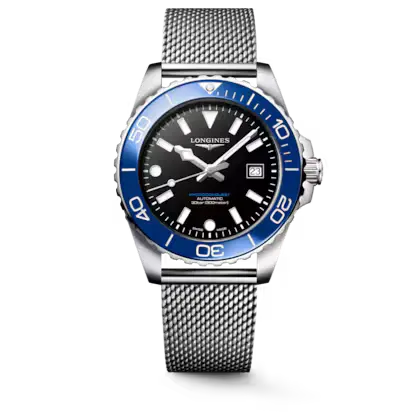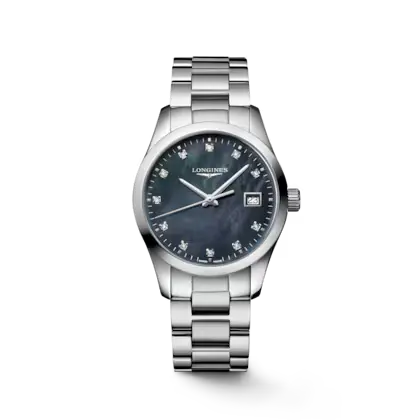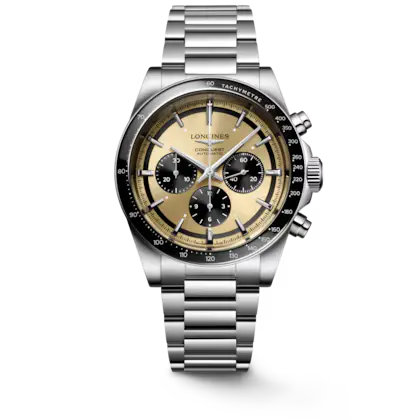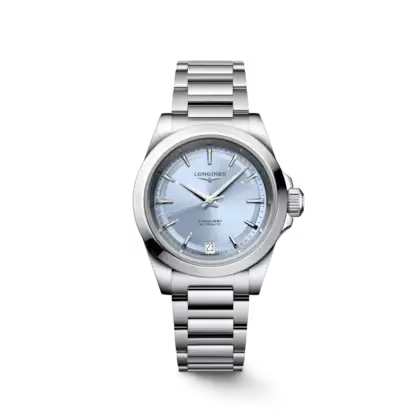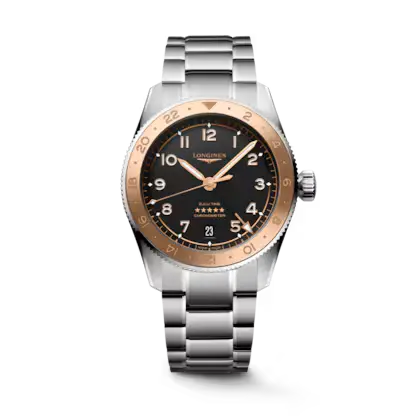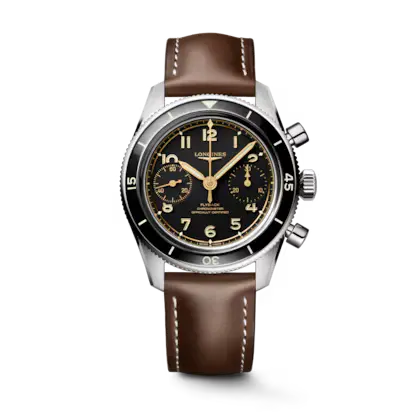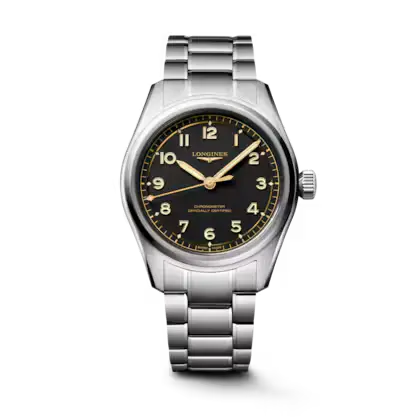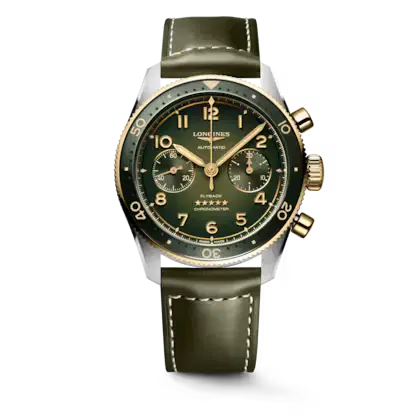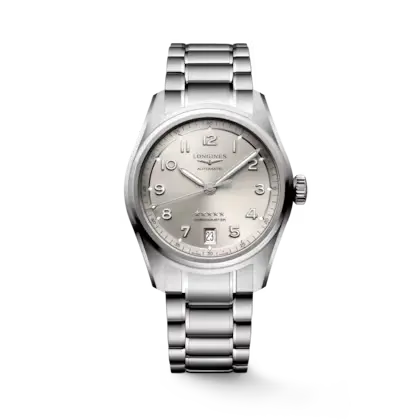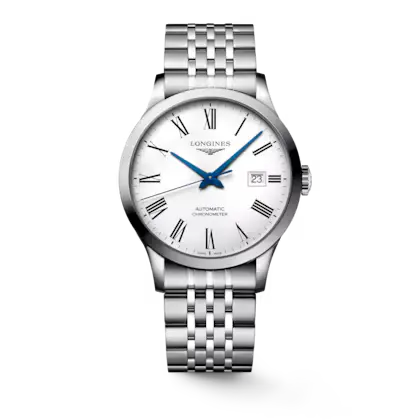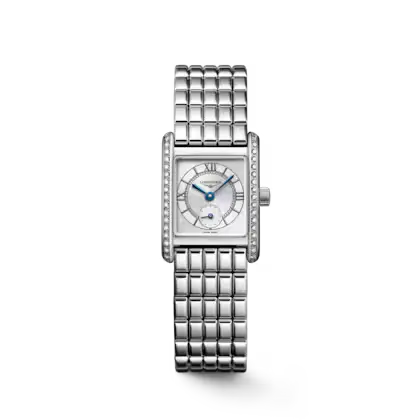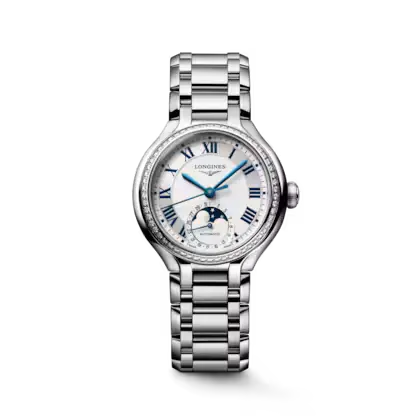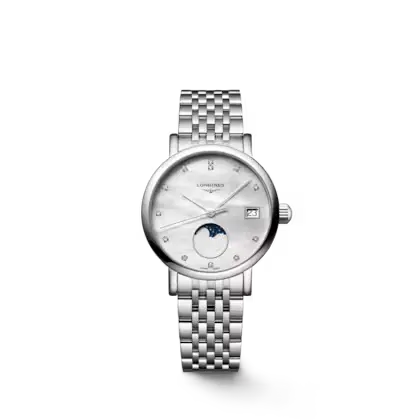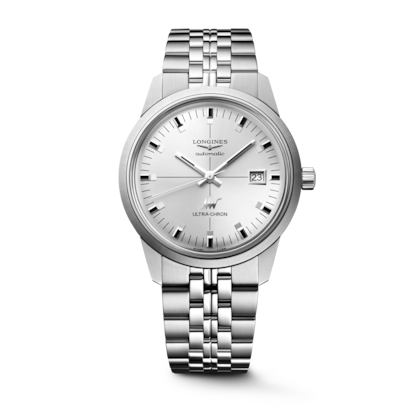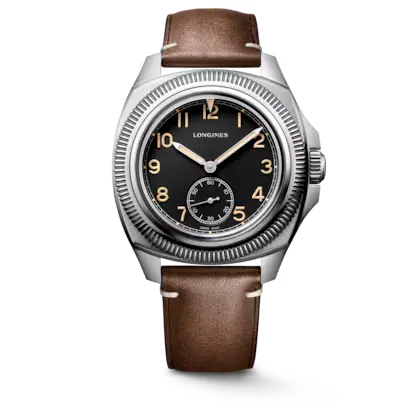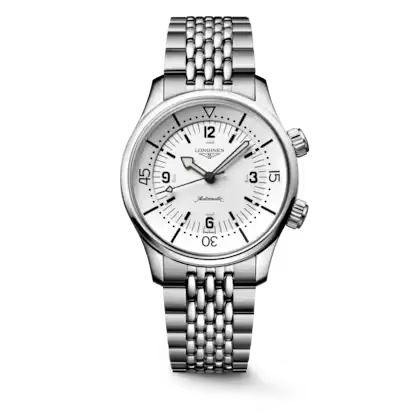



Regular cleaning is more than cosmetic; it preserves gasket integrity, protects finishes and keeps the movement running as designed. Follow this workshop-grade routine to refresh your Longines timepiece safely at home—whether it wears stainless steel, titanium, leather or rubber.
Why regular cleaning matters
Daily wear leaves behind perspiration salts, fine dust and airborne pollutants. As residue accumulates in bracelet joints and around caseback gaskets, it can abrade metal, reduce water-resistance and dull the crisp facets that make a Swiss watch sparkle. A monthly deep clean for water-resistant models—and a quick rinse after salty or sweaty activities—maintains both performance and appearance.
Identify your watch and choose the right method
|
Watch type (guide only) |
Typical water-resistance |
Strap / bracelet |
Recommended routine |
Immersion in soapy water? |
|---|---|---|---|---|
|
Diver-style sports watch |
100 – 300 m |
Steel or rubber |
Monthly deep clean; rinse after seawater and dry |
Yes |
|
Everyday water-resistant watch |
30 – 60 m |
Steel, leather or textile |
Monthly surface clean; avoid soaking leather |
Steel: Yes / Leather: No / Textile: generally yes, but rinse thoroughly with fresh water afterward and allow to dry completely |
|
Dress piece |
30 m |
Leather |
Weekly microfiber wipe; quarterly leather nourish |
No |
|
Vintage or precious-material watch |
Often < 30 m or unknown |
Rubber, leather or textile |
Light wipe only; consult service centre before any soaking |
Consult professional |
|
Watch type (guide only) |
Typical water-resistance |
Strap / bracelet |
Recommended routine |
Immersion in soapy water? |
|---|---|---|---|---|
|
Diver-style sports watch |
100 – 300 m |
Steel or rubber |
Monthly deep clean; rinse after seawater and dry |
Yes |
|
Everyday water-resistant watch |
30 – 60 m |
Steel, leather or textile |
Monthly surface clean; avoid soaking leather |
Steel: Yes / Leather: No / Textile: generally yes, but rinse thoroughly with fresh water afterward and allow to dry completely |
|
Dress piece |
30 m |
Leather |
Weekly microfiber wipe; quarterly leather nourish |
No |
|
Vintage or precious-material watch |
Often < 30 m or unknown |
Rubber, leather or textile |
Light wipe only; consult service centre before any soaking |
Consult professional |
Always check rated resistance first. Ratings apply only if the crown is fully secured and the crystal is free of damage. If your watch hasn’t passed a pressure test within two years, limit care to surface methods.
How to clean a watch step by step
Tools and materials
|
Essential items |
Helpful extras |
|---|---|
|
Soft microfiber cloth |
Silicone-free watch-cleaning putty |
|
Bowl of lukewarm water |
Air-puffer bulb (camera-lens style) |
|
Drop of pH-neutral dish soap |
Leather balm for straps |
|
Soft-bristle toothbrush (child size) |
Wood toothpick for bezel crevices |
|
Absorbent cotton pads or towel |
Low-tack tape to mask bezel inserts |
Deep-cleaning a stainless-steel or titanium watch
Before starting, confirm that your watch is water-resistant to the depth required for immersion.
- Fill a bowl with lukewarm water and add a single drop of neutral dish soap.
- Submerge the head and bracelet for one minute, swishing gently to loosen dirt.
- Lift onto the towel and brush away from the case with the damp toothbrush, concentrating on clasp, bezel flutes and end-link recesses.
- Rinse under a gentle stream of cool water, crown pointing down so water doesn’t pool around the stem. Ensure the crown is securely screwed down or fully pushed in, as cleaning may have loosened it.
- Pat dry with microfiber, then use the air-puffer to expel moisture from crevices.
- Buff along the grain—never in circles—to avoid micro-swirls on polished facets.
Frequently asked questions
Can I use jewellery cleaner on steel?
Most solutions contain ammonia or acids that tarnish brushed finishes. Stick to mild dish soap and water.
How often should I clean my watch?
Sports models benefit from a monthly wash; dress pieces on leather need weekly cloth wipes and quarterly conditioning.
Does cleaning affect warranty?
External care does not void warranty, but water damage from an unsecured crown is considered misuse.
When is professional cleaning mandatory?
Seek a Longines certified watchmaker if you notice condensation, gritty pushers or uncertain gasket age—especially on vintage timepieces.
A disciplined cleaning ritual keeps your Longines watch performing as flawlessly as it looks. By matching technique to water-resistance and strap material—and by using the gentlest tools—you extend service intervals and preserve showroom aesthetics. Treat cleaning as part of the horological craft, and your watch will continue to reward you with decades of refined precision.
به اشتراک بگذارید:
tehranwatch.com/?p=10335
مقالات زیر را هم بخوانید

On the first day of the Olympic Winter Games, the Official Timekeeper OMEGA has hosted a memorable Opening Gala at
4 تیر 1405
2 دقیقه

The 2026 Met Gala marked the opening of the Costume Institute’s spring exhibition, Costume Art, with a dress code of
4 تیر 1405
2 دقیقه

OMEGA unveils seven new models across four distinctive dials, each showcasing advanced ceramic engineering and precision finishing. Available on newly
22 مهر 1404
4 دقیقه
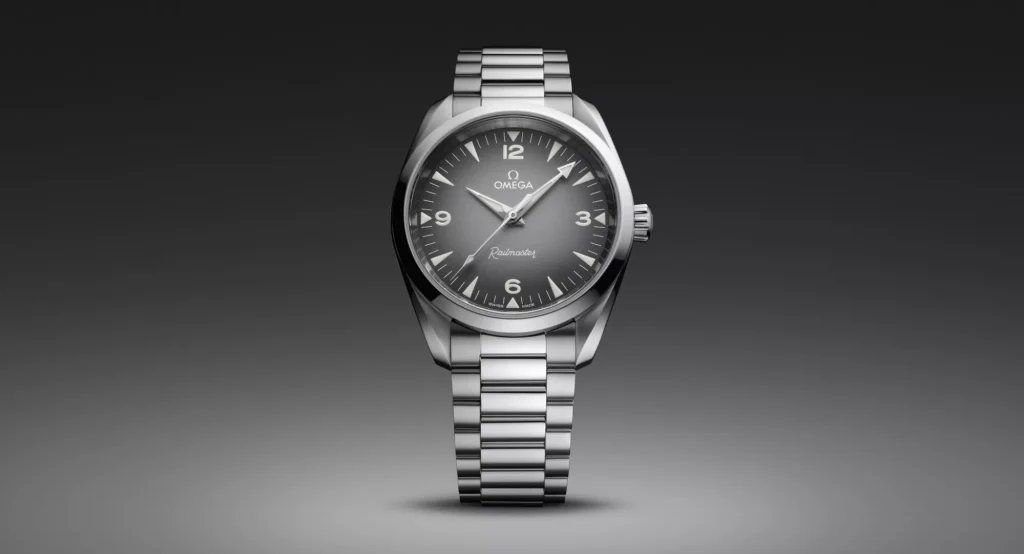
One of OMEGA’s most enduring watch designs makes a return this year, featuring new colour gradients and a distinctly pure
25 اردیبهشت 1404
3 دقیقه
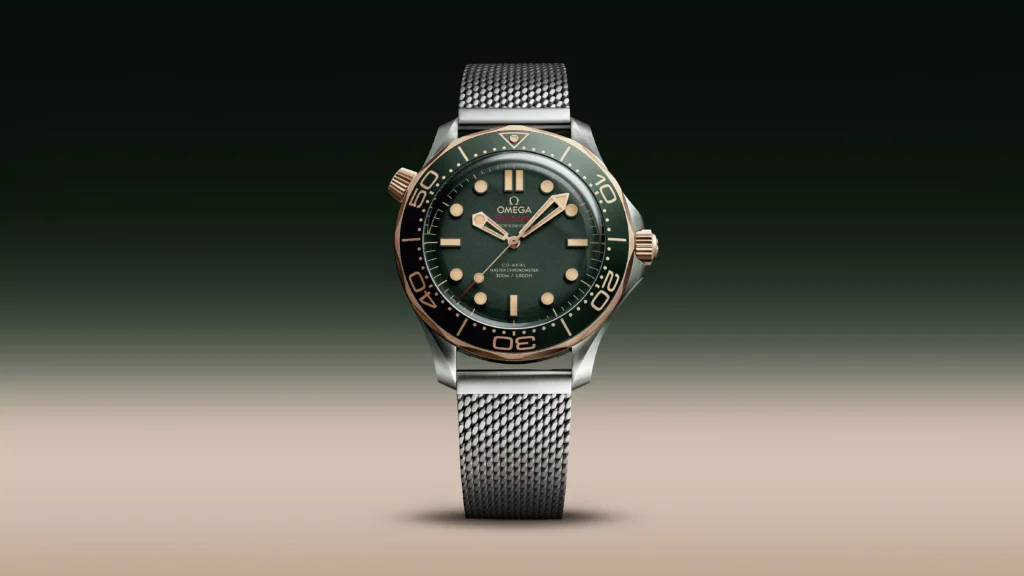
Continuing the launch of OMEGA’s latest Seamaster Diver 300M collection, a new edition is now unveiled in Grade 2 Titanium
18 آذر 1403
2 دقیقه

One of OMEGA’s most iconic and sought-after timepieces has returned to production – now with a modern Co-Axial Master Chronometer
23 مهر 1403
3 دقیقه

The countdown is almost over, the athletes are ready, and the timers are set to begin. On July 26th, the
9 تیر 1403
1 دقیقه
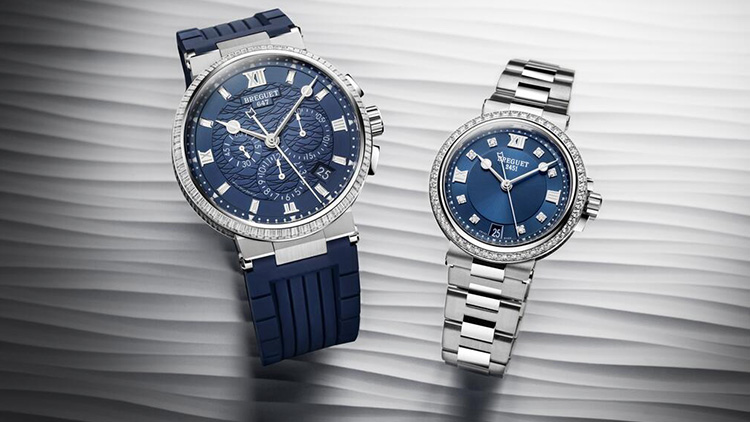
Breguet expands its iconic Marine collection with new gem set models. These resolutely contemporary watches inspire a desire for the
23 خرداد 1403
1 دقیقه